Paris judge authorised night-time doping tests for Vingegaard and Pogacar

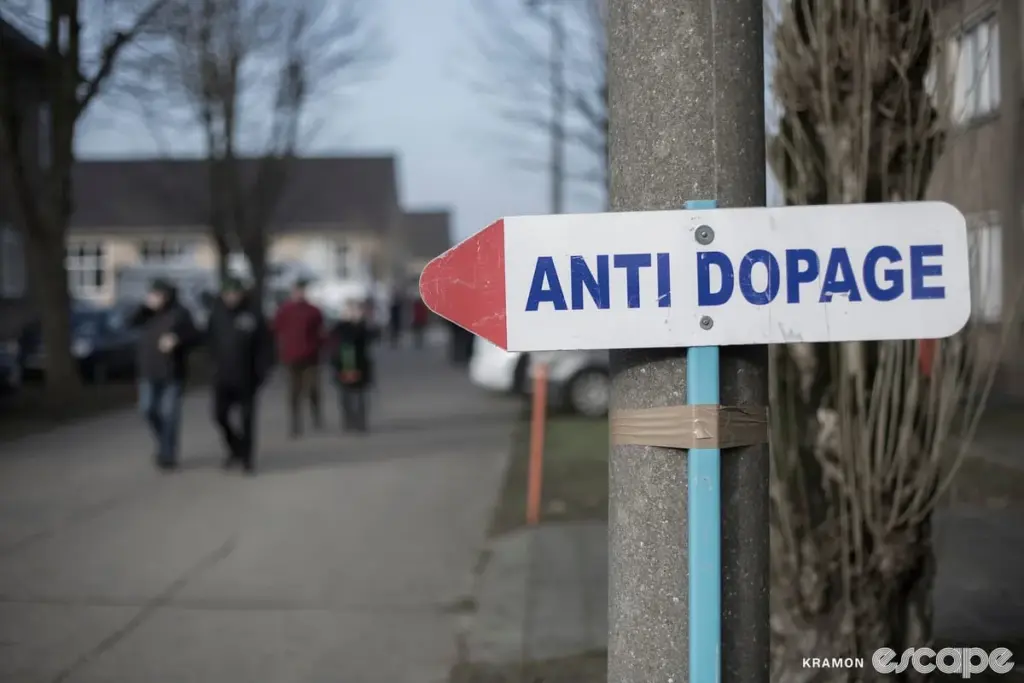
Night-time Doping Controls Authorised
A Paris judge granted authorisation for night-time doping tests on Tour de France leader Tadej Pogacar and his closest competitor, Jonas Vingegaard, in the early hours of Sunday morning. The International Testing Agency (ITA) had petitioned the judge for approval to conduct these anti-doping tests, which occurred between July 18 and 19. These controls took place outside the standard testing window of 6 am to 11 pm, prior to stage 15, as the peloton made its way to Plateau de Solaison in the Savoyard Alps.
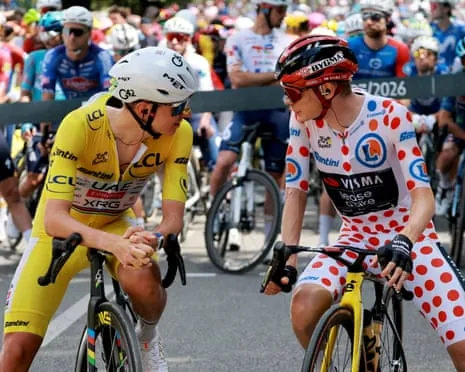
Jonas Vingegaard underwent testing at 2 am on Sunday, while Tadej Pogacar was tested at 5 am. The timing of these tests drew criticism from several riders and team staff, including Remco Evenepoel, who is currently second overall in the Tour, and Vingegaard’s teammate Matteo Jorgenson. Evenepoel described the tests as “inhuman” and “disrespectful,” suggesting that riders should not accept such practices. The ITA acknowledged that night-time testing can disrupt riders’ rest and recovery but stated its responsibility to ensure the effectiveness and integrity of cycling’s anti-doping programme.
Impact on Riders and Race Integrity
Following his 2 am test, Vingegaard crashed during stage 15, breaking his collarbone and forcing him to withdraw from the Tour. Pogacar suggested that the disruption to Vingegaard’s sleep might have contributed to the crash. Vingegaard himself commented before the stage that while testing is beneficial, it is not ideal when it negatively affects performance and sleep. Under the anti-doping regulations of the International Cycling Union (UCI), which delegated its programme to the ITA in 2021, tests conducted between 11 pm and 6 am require “serious and specific suspicions” of doping activities.
The Paris prosecutor’s office confirmed that judges specialising in liberty and detention matters have concurrent jurisdiction to rule on requests for night-time anti-doping tests. It is also understood that other teams, including Pogacar’s UAE Team Emirates XRG and Vingegaard’s Visma Lease-a-bike, have been subjected to nocturnal testing during this year’s Tour. The ITA confirmed that “other teams also have been subjected to ‘night-time’ or early morning testing,” though specific numbers were not provided.
Rationale for Nocturnal Testing
Night-time testing was implemented primarily to combat the micro-dosing of performance-enhancing products, a method that offers only a brief window for detection. Jonathan Vaughters, manager of the EF-Education EasyPost team and a former teammate of Lance Armstrong, expressed support for nocturnal tests. He stated on X that 2 am testing is an effective method to prevent peptide (EPO, HGH) and testosterone micro-dosing, suggesting it could have prevented past doping scandals.
The Tour de France is set to conclude in Paris on Sunday evening. The ITA has indicated that the results of these controls, like any others conducted by the agency, would be publicly disclosed only in the event of an apparent anti-doping rule violation, with no known timeline for publication.
In stage 15, Remco Evenepoel secured an unexpected victory, managing to stay with Pogacar before pulling away. Evenepoel, known for his time trial skills, surprised many by matching Pogacar on the uncategorised final climb. Pogacar maintains the overall leader’s yellow jersey, holding a significant lead over Evenepoel.
Read Also
Source: theguardian.com

